
The Ledger cold wallet category includes the Nano S Plus, Nano X, Flex, and Stax models, all of which work with the same Ledger Live application across Windows, macOS, Linux, iOS, and Android platforms. The cold storage architecture keeps private keys isolated within hardware devices that spend most of their time disconnected from networks, with connection happening only when users actually need to interact with their crypto holdings.
The Ledger wallet ecosystem extends beyond pure key storage into broader functionality including portfolio tracking, transaction signing, staking participation, and Web3 connections through the Ledger Live application. Understanding how the cold wallet hardware integrates with the management software helps clarify what distinguishes hardware wallets from software alternatives and centralized exchange custody.
Ledger Wallet Cold Storage Architecture
The Ledger wallet cold storage architecture defines the security model that distinguishes hardware wallets from software alternatives. The architectural choices shape what makes hardware wallets fundamentally different from other custody approaches across the crypto ecosystem.

| Ledger Wallet Aspect | Specification |
|---|---|
| Key storage | Secure element chip |
| Connection methods | USB-C and Bluetooth |
| Recovery method | 24-word phrase |
| Supported assets | Thousands across 50+ chains |
| Storage pattern | Cold storage with occasional connection |
| Backup options | Paper sheet or metal plates |
| Companion software | Ledger Live application |
| Network exposure | Limited to active sessions |
Secure Element Chip Foundation
Secure element chip foundation inside every Ledger cold wallet provides the cryptographic isolation that distinguishes hardware wallets from software-only alternatives. The Ledger wallet secure element generates, stores, and uses private keys within an environment that connected computers cannot read or access directly. Only signed transactions exit the chip, never the underlying keys themselves, which means even a fully compromised computer running Ledger Live cannot extract keys from a properly working device. The secure element carries formal security certifications proving resistance to specific attack classes including physical tampering, side-channel analysis, and fault injection attempts. Firmware updates pass through secure element verification before installation, providing cryptographic assurance that updates come from Ledger rather than malicious sources.
Offline Storage Pattern
Offline storage pattern through the Ledger cold wallet keeps signing capabilities physically separate from network connections during most of the device's operating life. The Ledger cold wallet sits disconnected from computers and phones during the long periods when users don't need to move funds, reducing attack surface dramatically compared to hot wallets that stay connected continuously. Connection happens only when users actually want to send, swap, stake, or perform other state-changing operations. This pattern fits long-term holders who don't need daily transaction capability, with the device spending most of its time in physical storage like a safe or safety deposit box. The disconnection strategy eliminates the malware exposure that affects hot wallets running on internet-connected systems.
Recovery Phrase Backup System
Recovery phrase backup system represents the canonical access method for any Ledger wallet, with the 24-word phrase generated during initial device setup granting complete control over derived wallets. The Ledger wallet recovery phrase appears only on the device screen during initialization, never on the connected computer, which prevents malware from capturing the phrase during setup. Users typically record the phrase on paper or metal backup plates and store it physically separate from the device itself. The recovery phrase remains the only way to restore wallet access if the original device gets lost, damaged, or destroyed. Metal backup plates that resist fire and water damage offer durability beyond paper for users with significant long-term holdings stored on cold wallets.
Ledger Live Application Functions
The Ledger Live application functions cover the complete set of operations that hardware wallet users perform through the official software. Understanding what the application handles versus what the hardware device handles clarifies the security boundary that defines the overall system.

Portfolio Management Capabilities
Portfolio management capabilities through Ledger Live aggregate balances from every connected account into unified dashboard views. The Ledger Live portfolio pulls price data continuously from external feeds, showing current valuations and historical performance charts across selectable timeframes. The interface organizes holdings by chain, asset class, and individual account, giving immediate context on overall portfolio composition. Users running multiple Ledger devices see accounts grouped by device, making cold storage easy to distinguish from active funds at a glance. Hidden tokens and accounts remain hidden until explicitly unhidden through settings, keeping the main view clean for active monitoring of important positions.
Transaction Signing Workflow
Transaction signing workflow through Ledger Live coordinates between the application interface and the hardware wallet that handles cryptographic operations. The Ledger Live application prepares transaction details based on user inputs, then sends the transaction to the hardware device for signing. The device displays transaction details on its own screen for user verification before signing, with recipient addresses, amounts, fees, and operation types all visible on the hardware. Users compare the displayed details against what the application showed, catching potential manipulation attempts that affect the connected computer. The signing process takes seconds per transaction but blocks most attack vectors that affect software-only wallets running on potentially compromised systems.
Asset Coverage Across Chains
Asset coverage across chains for the Ledger Live application spans Bitcoin, Ethereum, Solana, XRP Ledger, Cardano, Polkadot, Cosmos, Tezos, BNB Chain, Tron, and dozens of other blockchain networks. Ledger Live supports thousands of crypto assets across more than 50 chains, with token standards like ERC-20, BEP-20, and SPL working through their respective chain integrations. Each supported chain requires the corresponding app installed on the Ledger hardware device through the Manager section in Ledger Live. The chain-specific apps handle the cryptographic operations specific to each blockchain's transaction format, with the main Ledger Live application providing the unified interface that works consistently regardless of which chains users hold assets on.
Ledger Cold Wallet Hardware Models
The Ledger cold wallet hardware models include current production devices that range across different price points and form factors. Each model carries the same fundamental security architecture while differing in connectivity, screen size, and physical design.
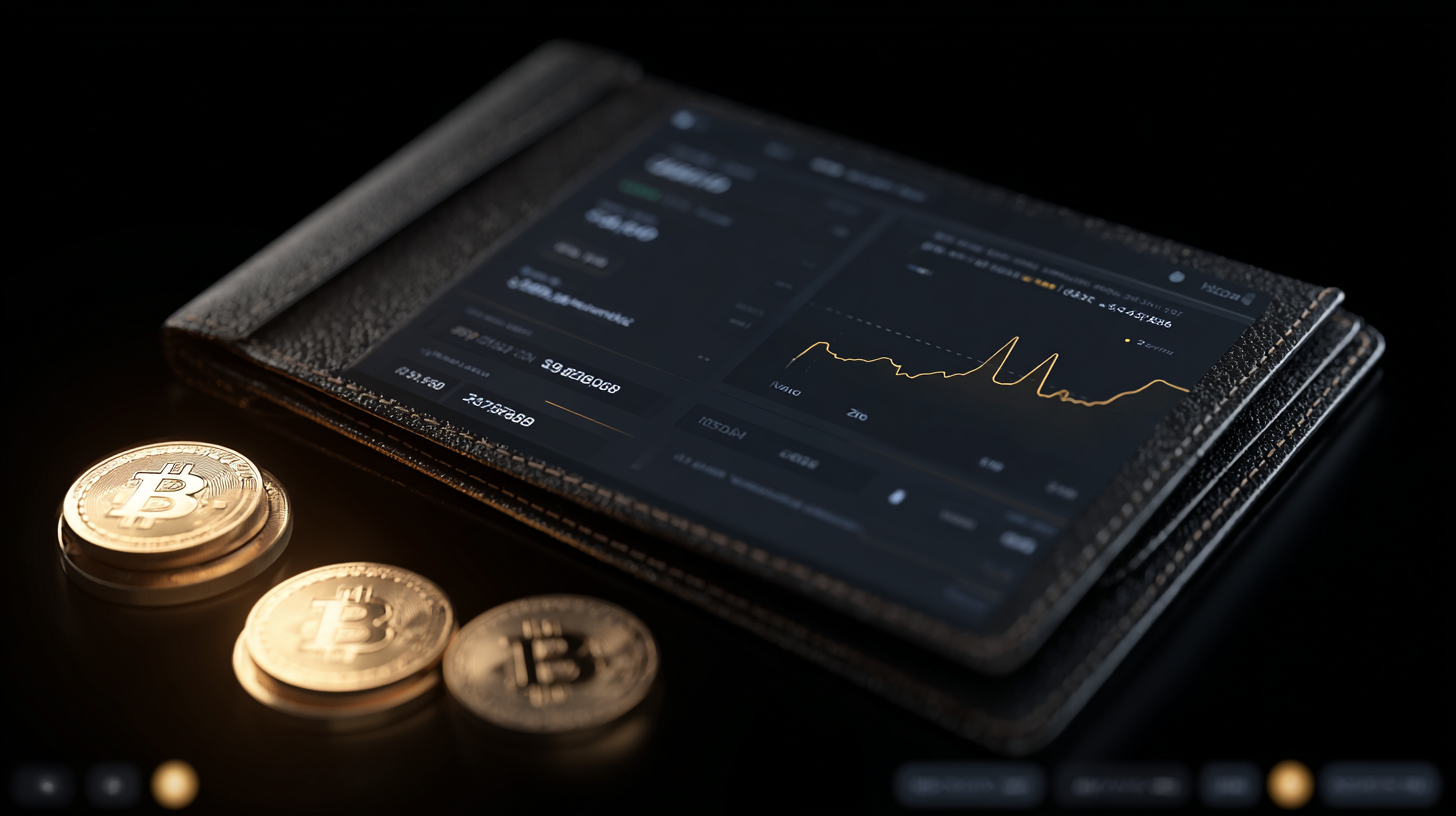
Ledger Nano S Plus
The Ledger Nano S Plus serves as the entry point in the current Ledger cold wallet lineup with USB-C connectivity and storage for approximately 100 crypto apps. The Nano S Plus features a small screen for transaction verification and uses two physical buttons for user inputs. The device suits users who don't need Bluetooth connectivity and prefer the stability of wired USB connections for their hardware wallet sessions. The Nano S Plus replaced the original Nano S that Ledger sold for years, bringing improved app storage and USB-C compatibility while maintaining the same security model that defined the Ledger product line. The model remains the most affordable option in the current lineup, attracting users who want hardware wallet security without paying premium prices for advanced features.
Ledger Nano X
The Ledger Nano X adds Bluetooth connectivity and an internal battery to the Ledger cold wallet category, supporting wireless mobile use that the Nano S Plus doesn't offer. The Nano X uses the same secure element chip and security architecture as other current models while providing wireless connectivity that suits mobile-first users. The Bluetooth implementation encrypts communication between the device and connected phones, while transaction details still require confirmation on the device screen itself. iOS users particularly benefit from the Nano X since Apple restricts wallet hardware on Lightning and USB-C ports, making Bluetooth the only practical connection method for iPhone-based Ledger usage. The Nano X commands a higher price than the Nano S Plus reflecting the additional wireless capability.
Ledger Flex and Stax
The Ledger Flex and Stax represent the premium end of the Ledger cold wallet lineup with larger touchscreens and refined physical designs. The Ledger Flex introduces a medium-sized touchscreen at a mid-tier price point, with the touchscreen interface enabling richer transaction verification displays. The Ledger Stax uses a curved E Ink display that wraps around the device edges, providing the most distinctive physical design in the Ledger lineup. Both Flex and Stax show NFT images directly on the device screen during transactions, providing visual verification capability that smaller Nano screens cannot match due to display constraints. The premium models target users who want enhanced display capability and refined aesthetics alongside the same security architecture that all current Ledger devices share.
Common Ledger wallet features across the current cold wallet lineup include:
- Secure element chip protecting private keys from external access
- Recovery phrase backup creating canonical wallet access method
- USB-C connectivity supported across all current models
- Bluetooth available on Nano X, Flex, and Stax models
- Compatible with the same Ledger Live application
- Support for thousands of crypto assets across 50+ chains
- Custom token additions for assets outside default registry
- Storage for approximately 100 crypto apps per device
- Firmware updates verified through secure element
- Independent device profiles within Ledger Live
Ledger Live Wallet Software Distribution
The Ledger Live wallet software distribution channels stay narrow on purpose, with ledger.com and official mobile stores serving as the only legitimate paths to authentic software. See our Ledger Live Download guide for step-by-step installation on desktop systems.
Official Distribution Channels
Official distribution channels for the Ledger Live wallet software cover ledger.com for desktop builds plus Apple App Store and Google Play for mobile devices. Windows users can follow our Ledger Live Download walkthrough before installing. The Ledger Live wallet software downloads carry cryptographic signatures that verify automatically during installation, catching tampered installers before they run. Windows builds carry Microsoft certificate chain verification, macOS builds use Apple notarization, and Linux builds ship with PGP signatures users can verify through standard tools. The publisher name in mobile app stores always reads Ledger SAS exactly, with any spelling variation indicating fraudulent applications attempting to capture user credentials.
Fake Software Distribution
Fake software distribution attempts target Ledger users continuously through search ads, email links, forum posts, and social media accounts. Search ads sometimes appear above legitimate ledger.com results during active scam campaigns where attackers pay for placement specifically to catch victims. Email links promising urgent Ledger Live updates lead to fake installation pages deploying compromised builds designed to steal recovery phrases or rewrite transaction destinations. APK files shared on forums or Telegram channels have been a recurring vector for fake distributions targeting Android users. The fake software problem persists across years of operation, with new variants appearing regularly as old ones get identified and reported.
Cross-Platform Coverage
Cross-platform coverage for the Ledger Live application spans Windows, macOS, Linux, iOS, and Android with consistent functionality across operating systems. Desktop users can follow the Ledger Live Desktop walkthrough for secure setup on Windows and macOS. Mobile versions on iOS and Android adapt to phone interfaces while maintaining the core functionality that desktop versions provide. The cross-platform consistency lets users access their accounts from whichever device they prefer, with optional Ledger Sync keeping account configurations consistent across devices through encrypted synchronization that preserves the self-custody model.
Ledger Wallet Security Considerations
Ledger wallet security considerations span both protocol-level protections built into the hardware and software, and user-side practices that determine real-world safety outcomes. Understanding both layers helps clarify what defines secure hardware wallet usage.
Hardware Security Layer
Hardware security layer in the Ledger wallet ecosystem rests on the secure element chip plus various supporting protections in device firmware. The Ledger wallet hardware security passes formal certification processes that prove resistance to specific attack classes. Tamper-evident packaging on new devices helps users detect physical interference before initial use, with damaged or modified packaging suggesting potential supply chain attacks. The hardware design isolates the secure element from other device components, preventing attackers from accessing keys even with physical possession of an active device. Hardware random number generation produces cryptographically secure values for key derivation, avoiding the weak randomness that has compromised some software-only wallets historically.
Operational Security Practices
Operational security practices for Ledger wallet users span recovery phrase storage, software verification, and transaction review habits. Recovery phrase storage matters as much as any other factor in real-world security, with paper or metal backups stored in physically secure locations protecting against device loss while maintaining the wallet access guarantee. Software verification through bookmarking ledger.com prevents reaching fake versions through search ads that occasionally appear above legitimate results. Transaction review on the device screen for every operation catches manipulation attempts that affect the connected computer, with the few seconds required for verification blocking most attack vectors that affect software wallet users. The combination of strong hardware security and good operational practices produces the real-world safety outcomes that make hardware wallets the preferred custody option for significant crypto holdings.
Common Attack Vectors
Common attack vectors targeting Ledger wallet users typically focus on social engineering rather than direct cryptographic attacks against the hardware itself. Phishing campaigns mimic the legitimate Ledger Live interface and prompt users to enter recovery phrases as part of fake authentication flows. Fake support representatives on Discord, Telegram, and Twitter target users posting about technical problems, offering help that always somehow requires recovery phrase verification. The defense pattern stays consistent across attack types: legitimate Ledger support never asks for the recovery phrase under any circumstance, with any such request indicating fraud regardless of how authentic the supposed support representative appears. Hardware security remains strong even when software vulnerabilities exist, since the secure element handles the cryptographic operations that determine actual fund safety.
FAQ
What is the Ledger cold wallet?
The Ledger cold wallet is a hardware device storing crypto private keys offline within a secure element chip. Ledger cold wallet models including Nano S Plus, Nano X, Flex, and Stax all integrate with the Ledger Live application for managing crypto assets while keeping keys isolated from network-connected systems.
How does Ledger Live work with hardware wallets?
Ledger Live works with hardware wallets by serving as the software interface that communicates with apps installed on the Ledger device. The application handles portfolio tracking, transaction preparation, and broader management while the hardware device handles key storage and cryptographic operations in its isolated environment.
Is the Ledger wallet suitable for long-term Bitcoin storage?
The Ledger wallet works well for long-term Bitcoin storage thanks to the cold storage security model that protects keys from network-based attacks. Long-term BTC holders particularly benefit from the offline storage pattern where devices stay disconnected during most of the holding period.
What happens if a Ledger wallet gets lost?
A lost Ledger wallet doesn't mean lost funds since the recovery phrase generated during initial setup restores access on any compatible hardware. Users with lost devices restore their wallet to a new Ledger device or to compatible software wallets using the same 24-word phrase from the original device setup.
How does the Ledger Live application handle security?
The Ledger Live App handles security by keeping private keys isolated in the secure element chip on the paired hardware device, with every transaction requiring physical confirmation on the device screen.
Which platforms does Ledger Live support?
Ledger Live supports Windows 10 and later, macOS 11 and later, most major Linux distributions, iOS 13 and later, and Android 8.1 and later. Cross-platform consistency keeps accounts and settings available regardless of which operating system users prefer for their hardware wallet management.
Where do legitimate Ledger wallets come from?
Legitimate Ledger wallets come from ledger.com directly or from authorized resellers. Third-party sellers on auction sites and marketplaces risk delivering tampered devices that could compromise user funds, so direct purchases from official channels provide the strongest guarantee of receiving authentic hardware with intact security protections.